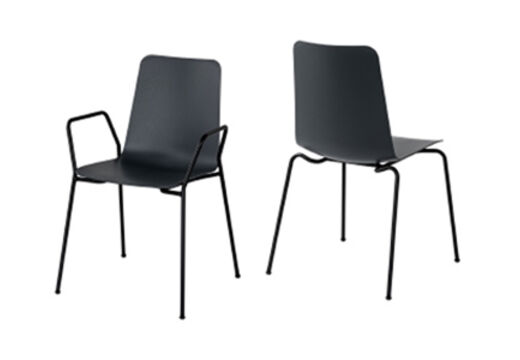
 Seating
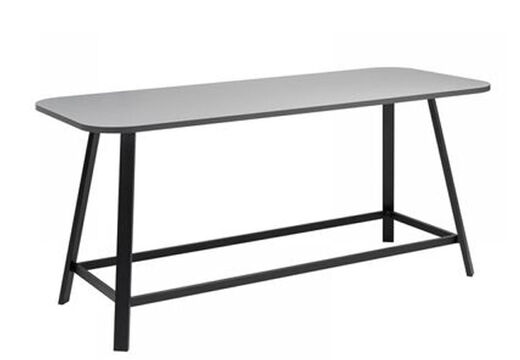 Tables
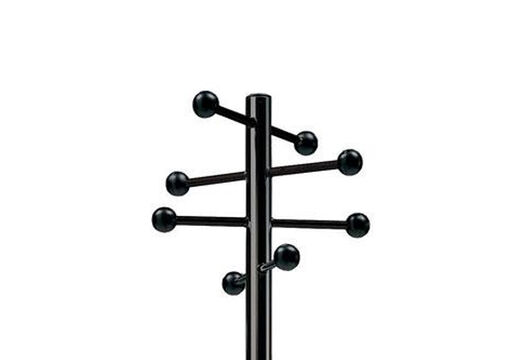 Wardrobes
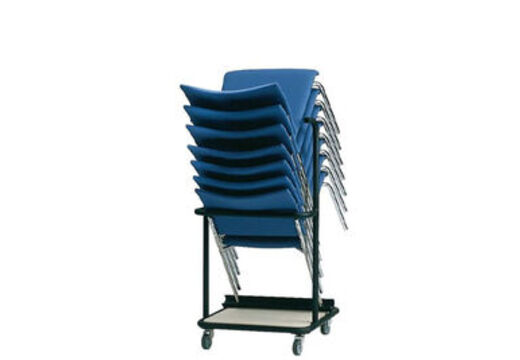 Transportation
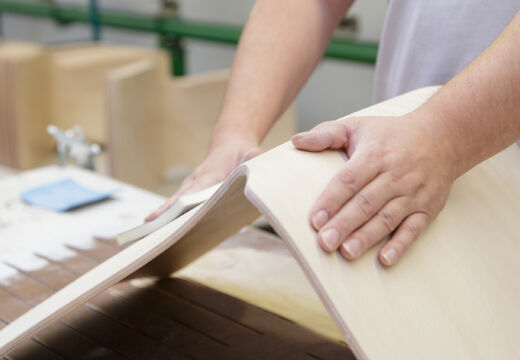 Refurbishment
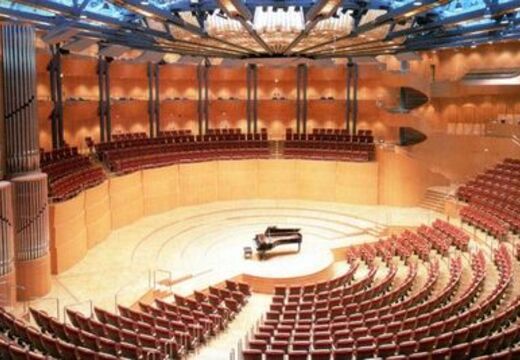 Projects
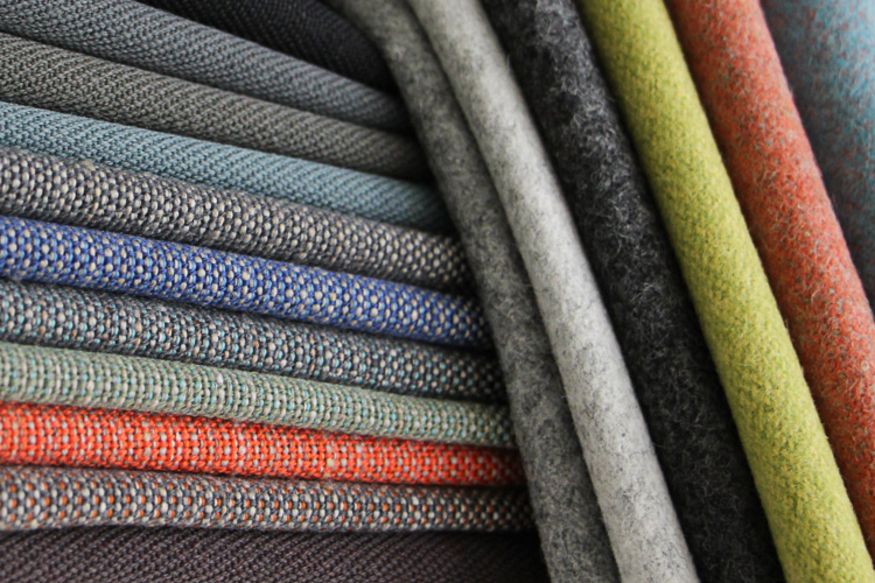 Textile
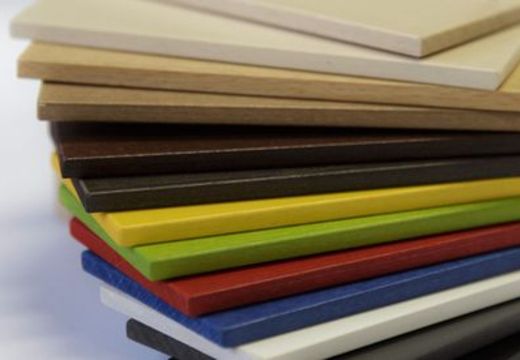 Staining & Lacquer Colours
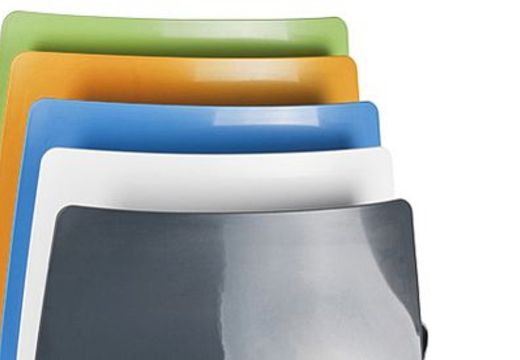 CPL + plastic shell
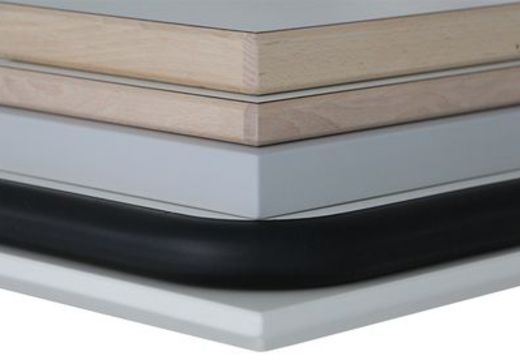 Table top finish
Seating
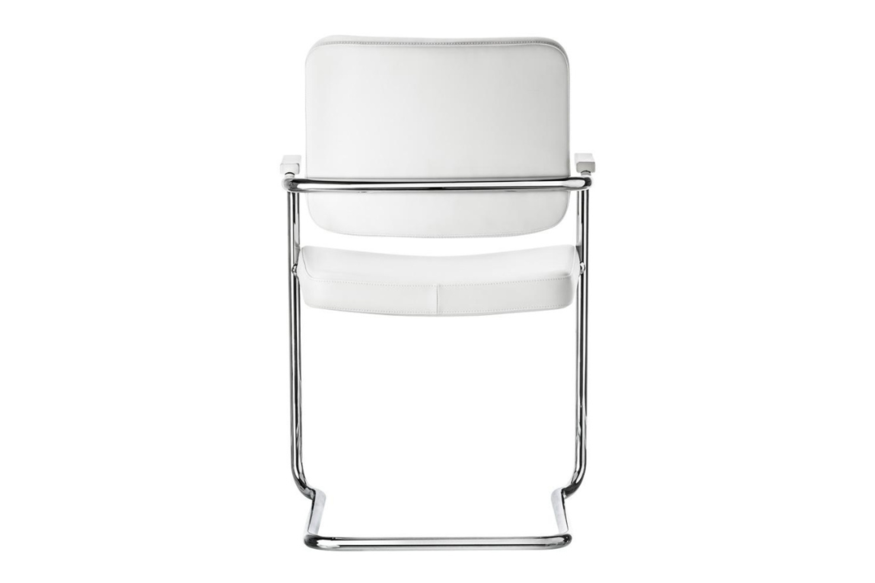
SKID
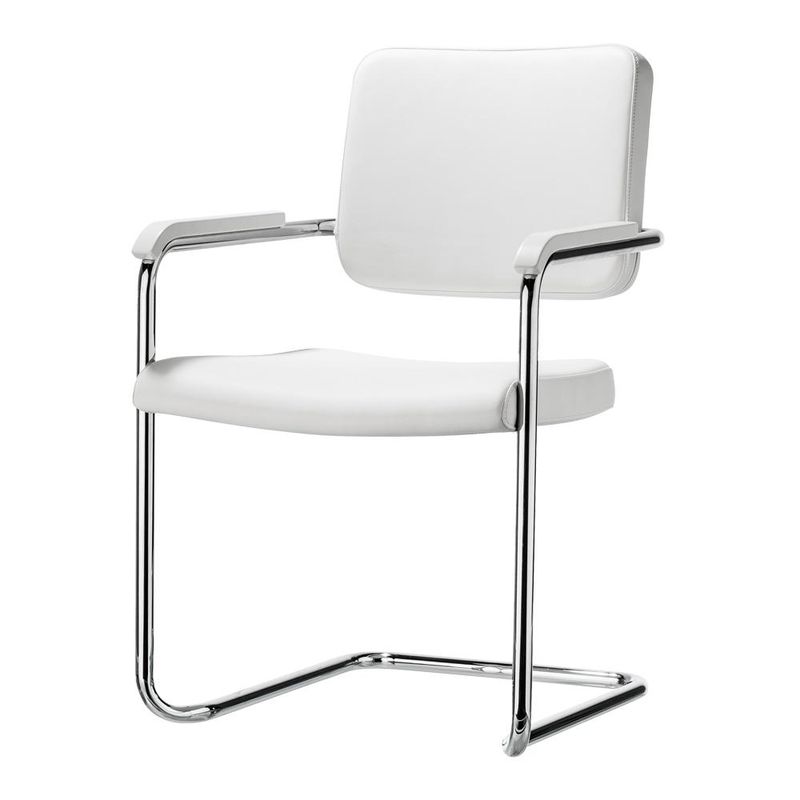
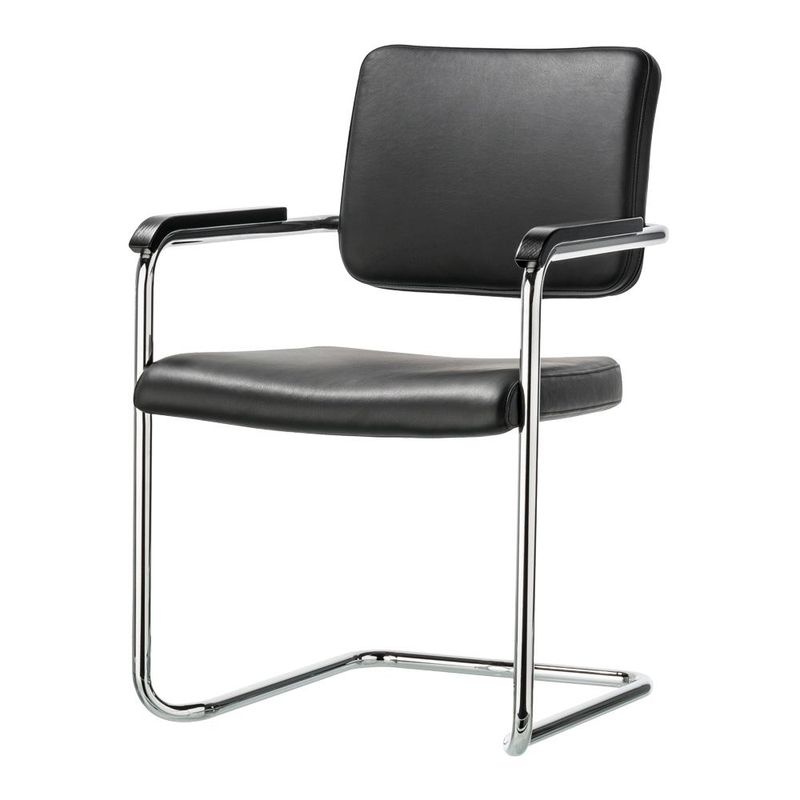
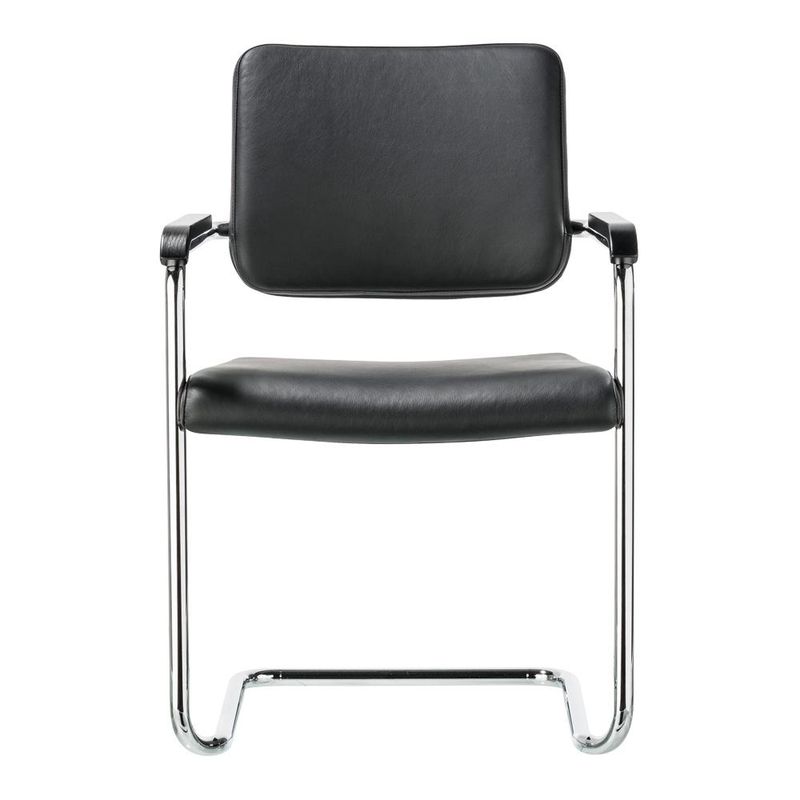
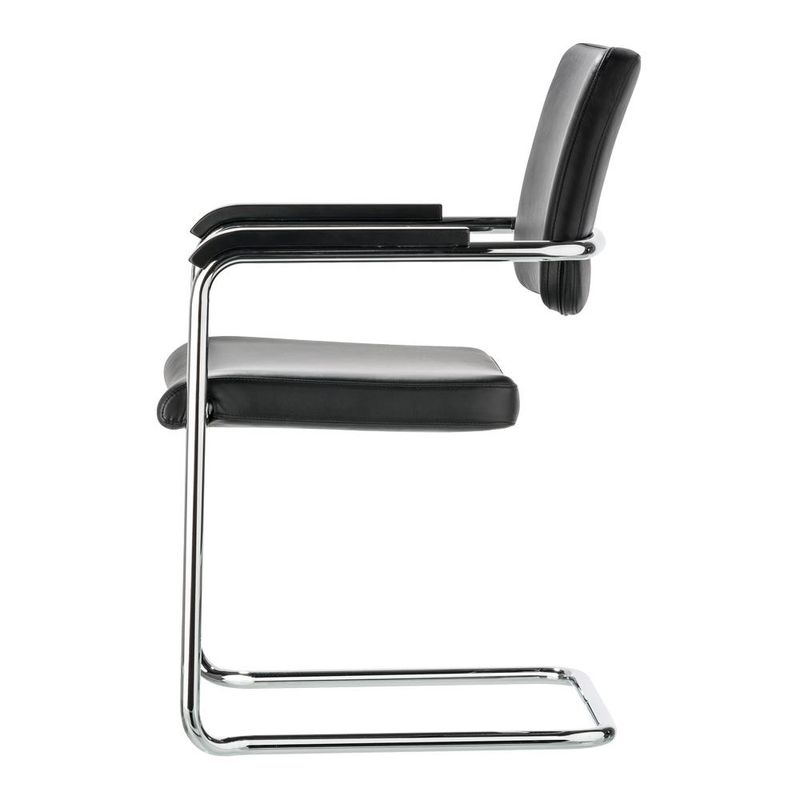
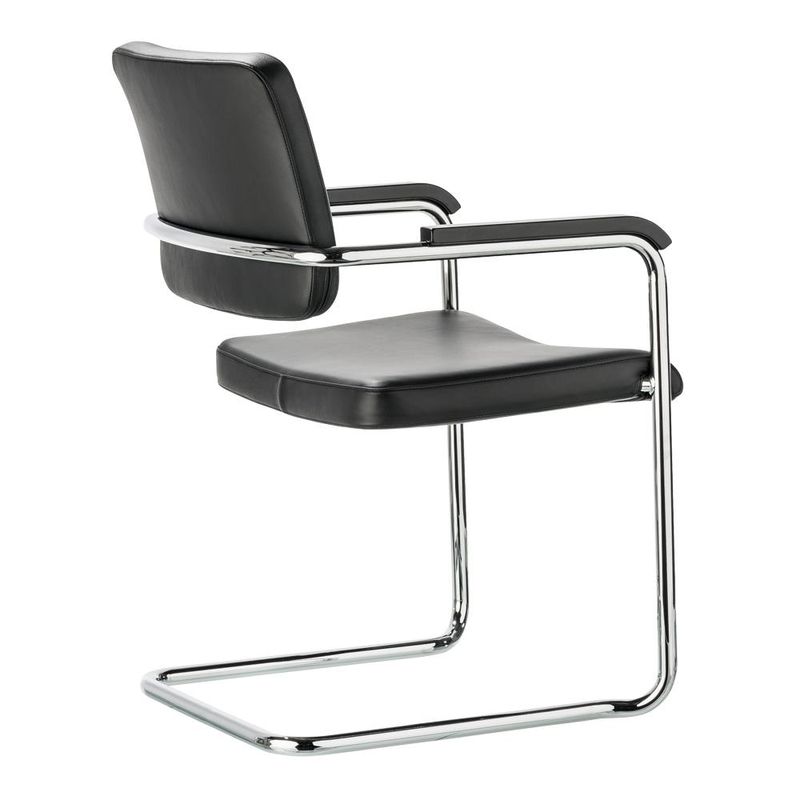
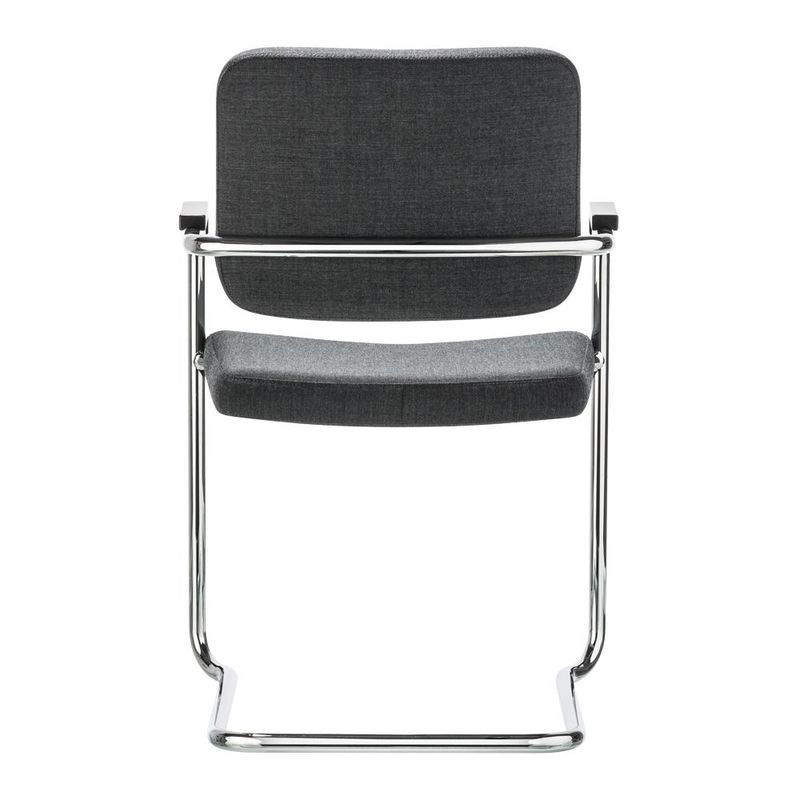
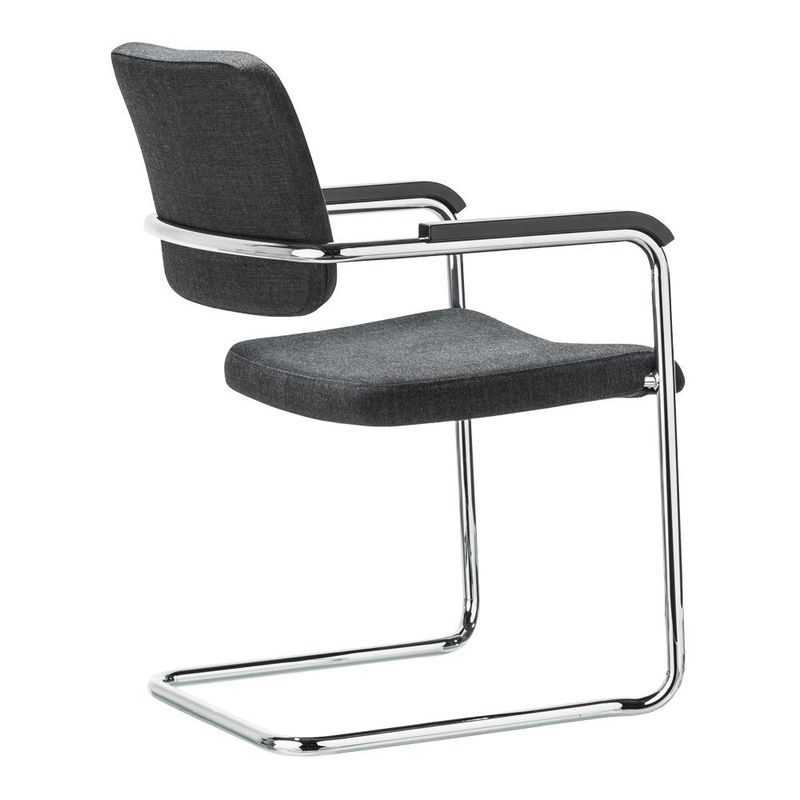
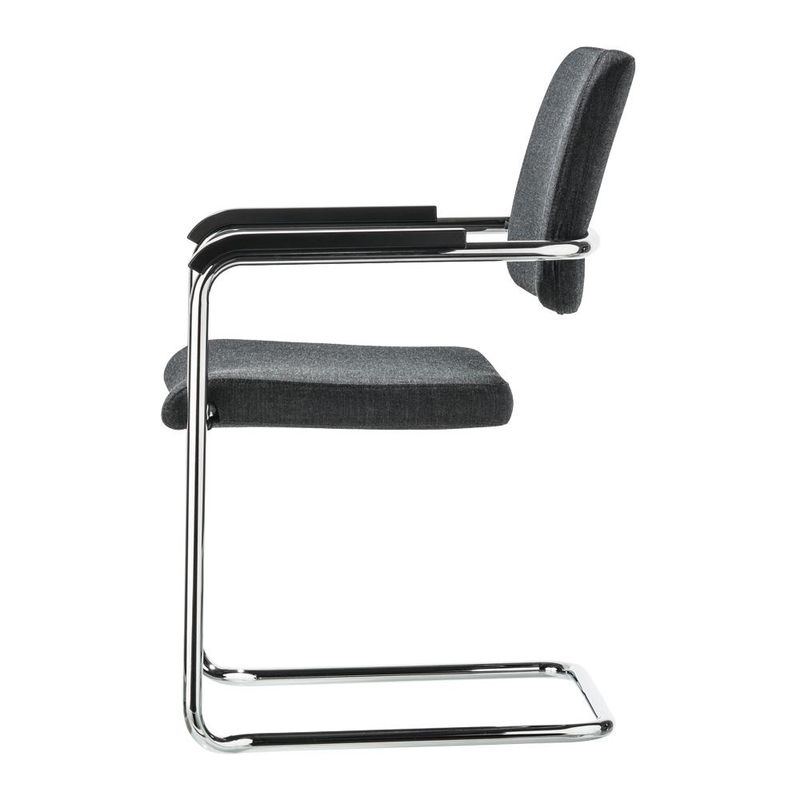
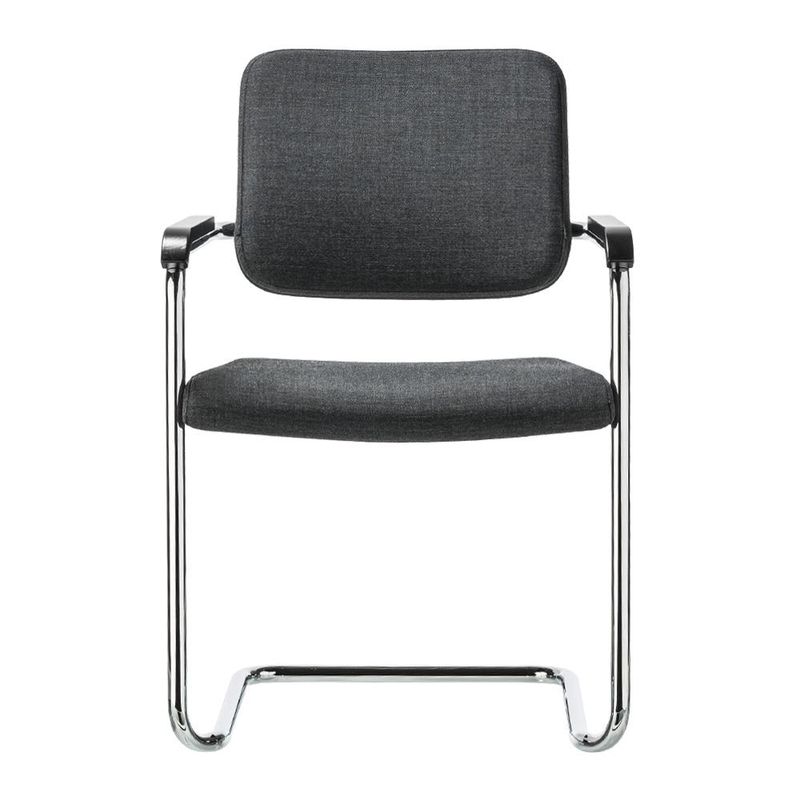
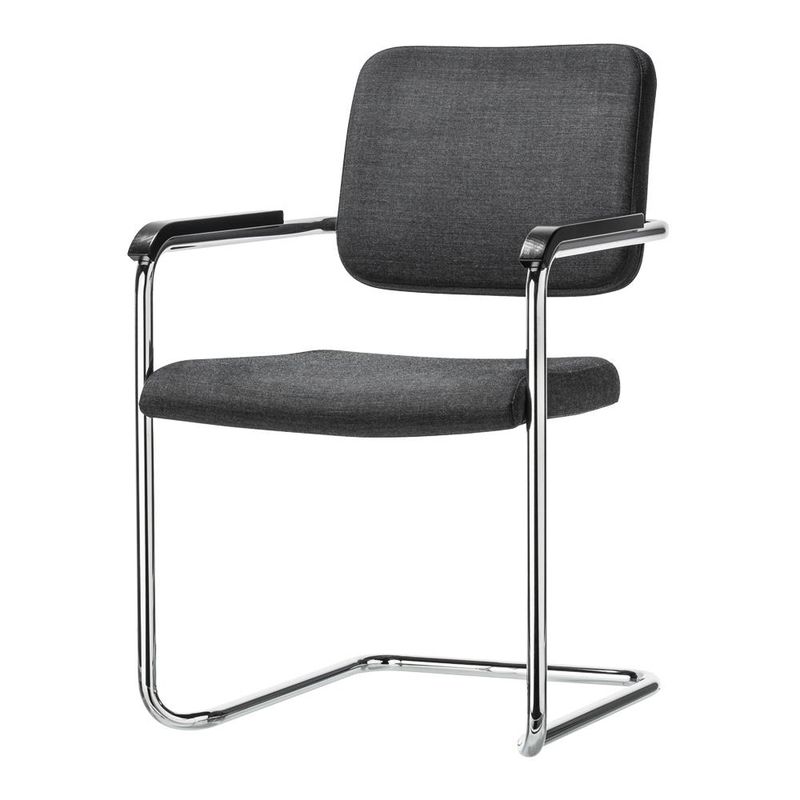
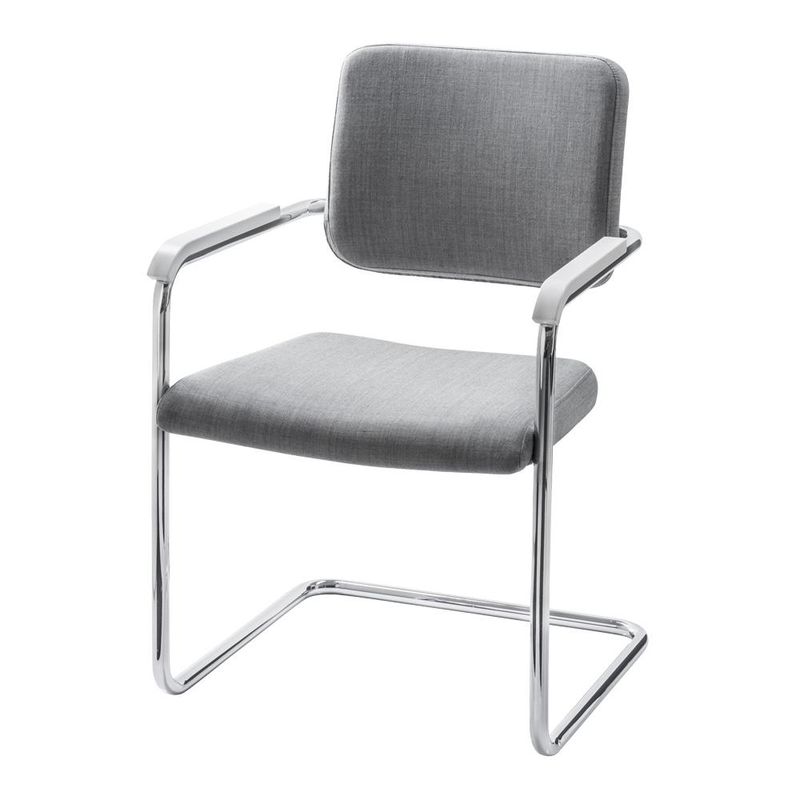
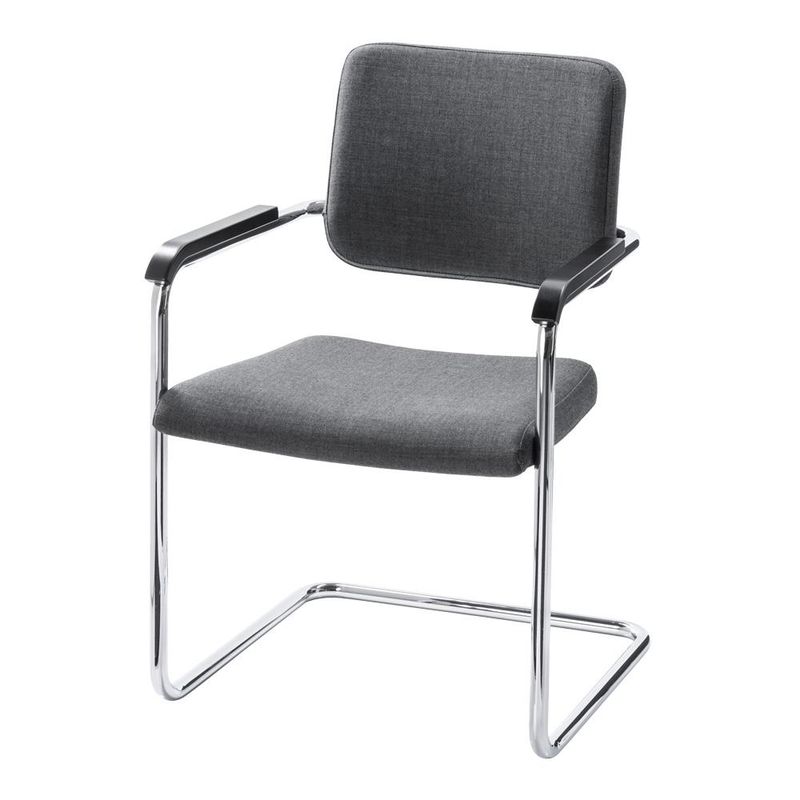
Design as a reinvention of the original form. You may think you have seen this chair before, but you haven‘t. BRUNE® has made it its task to redefine this type of cantilever chair in its classic version. The cantilevered backrest is a novelty that did not yet exist in classic modern design. Innovative technical solutions were applied to fasten all upholstered parts invisibly. Another special feature is the double-swing effect of the chair, resulting from the cantilevered front tube and the self-supporting seat. High-quality materials, supreme craftsmanship as well as superior cushioning technology ensure a long product life and fulfill the highest demands in terms of aesthetics and sustainability. Complete recycling of the product is possible, but not to be expected due to its long life expectancy.
Downloads
- SKID_Productinformation
(239 KB) - 2200.dwg
(2 MB) - 2205.dwg
(2 MB)
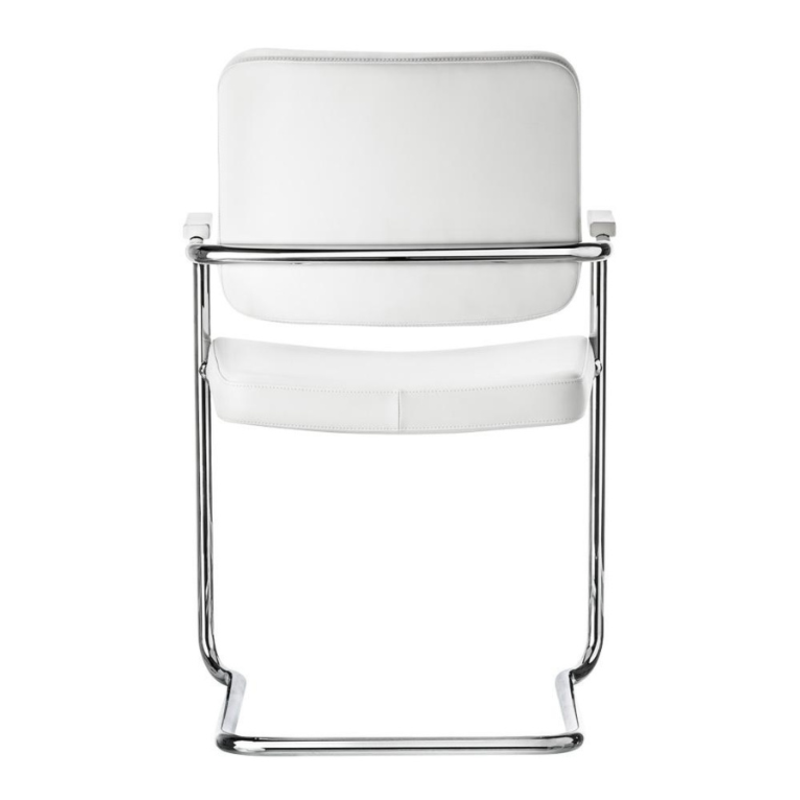

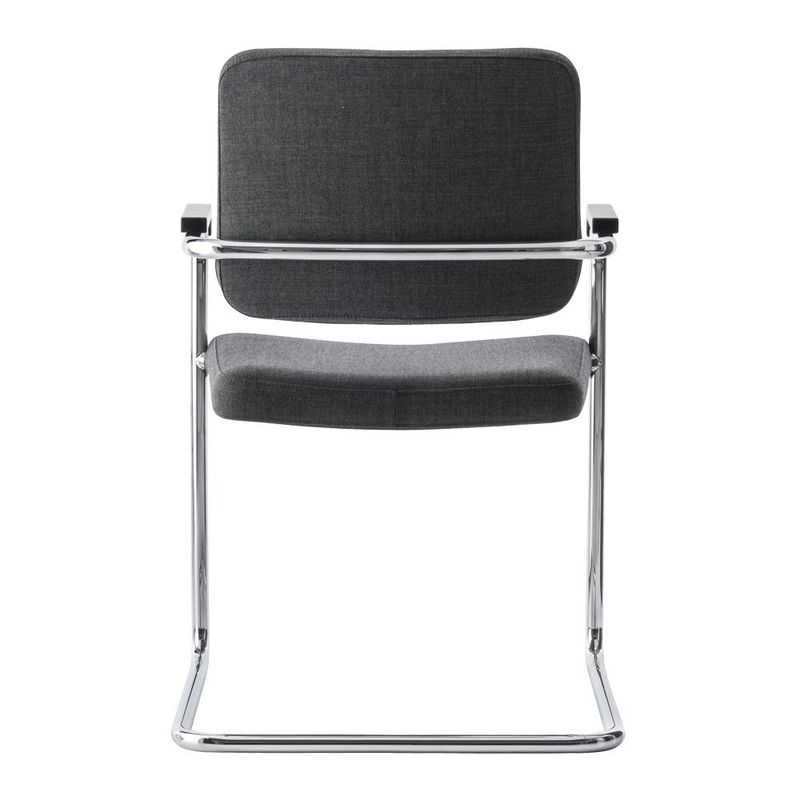
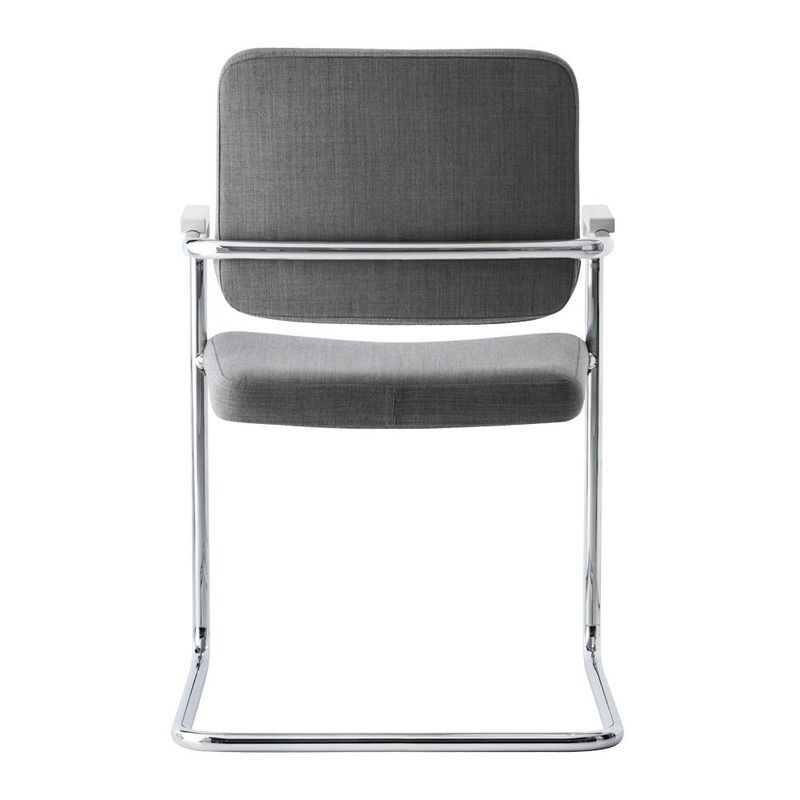
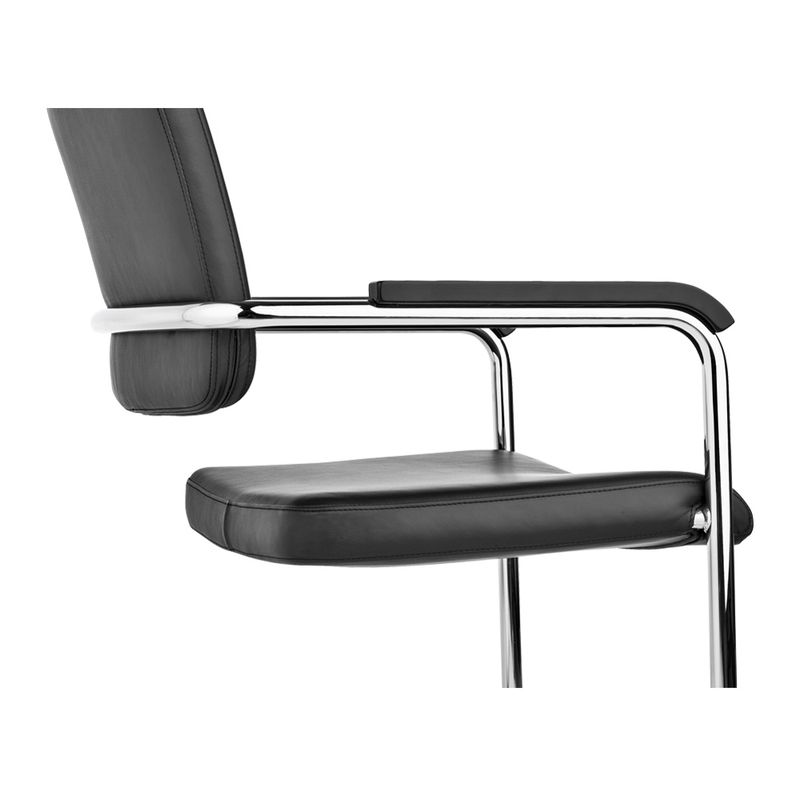
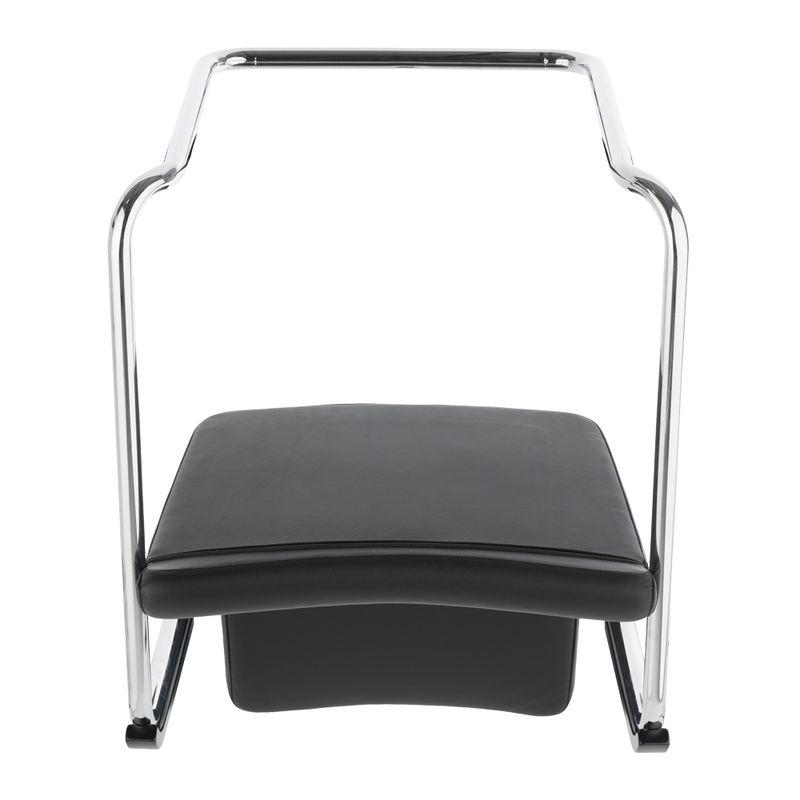
Frame
Cantilever frame, with armrests and tubular continuous back support made of quality steel tube Ø 25 x 2.5 mm, ZStE 420. The free-swinging seat support tube is welded to the front pipe.
Frame surfaces
Standard chrome, high-resistant chromium-plating, or powder coating from BRUNE® collection.
Seat and back
Seat and back from ergonomically shaped multi-boned beech plywood, invisibly connected to the frame.
Upholstery parts
Seat foam: density/hardness kg/m³ 50/80 25 mm thick
Back foam: density/hardness kg/m³ 35/55 30 mm thick
The seat bottom is completely covered with a closed foam plate. Besides the classical choice of fabrics from the BRUNE® Collection, SKID is also available with various high-quality leathers.
Armrests
Armrests made of shaped solid beech wood, firmly glued to the frame, black beech as standard, optionally stained according to the BRUNE® collection.
Gliders
Standard: without gliders
Options: plastic gliders, felt gliders
Dimensions
Width (B): 58 cm
Depth (T): 61 cm
Total height (H): 87 cm
Armrest height (AH): 65 cm
Seat height (SH): 45 cm
Weight: 11 kg
Stackability (only Model 2200)
Stacking type: front-stacking, stackable, 4 chairs
Required space:
Length: 90 cm
Width: 58 cm
Height: 110 cm
Accessories
Transport carriage model 1996 for the transport of stacking chairs
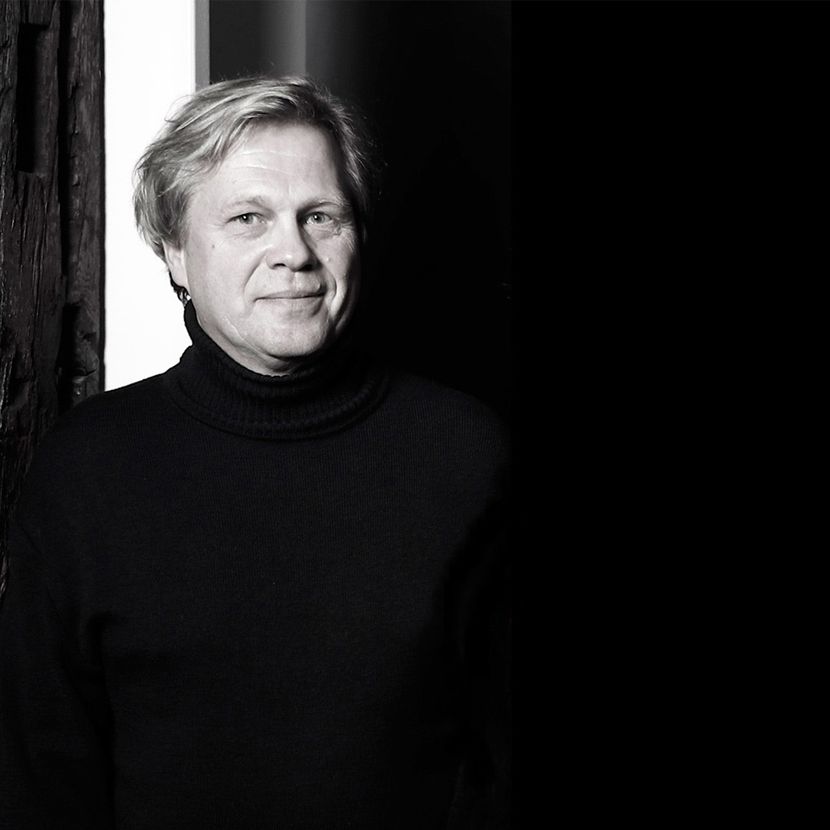
Andreas Ostwald
Andreas Ostwald (born 1964) finished an education as state-certified ceramic designer in the Porcelain Factory Friesland (German: Porzellanfabrik Friesland) in Kiel.
There he fell in love with the white gold. During the prototype production of porcelain production, you learn the mastery of three-dimensional curving and the spherical area arch within only tenths of millimeters by manual labor.
After his studies, he worked as designer for several offices and companies.
He taught the method of design process for ten years at the Muthesius College in Kiel before he went to HFK Bremen in 2006 and taught integrated design there until 2013.
In product design, his interests not only lie in the development of seating furniture but also in the design of lamps for national and international manufacturers.
He was a member of the shaping council (German: Rat für Formgebung) and was a member of many expert panels. His works received a lot of renowned awards.
Andreas Ostwald lives in Harvestehude with his wife and his three daughters.