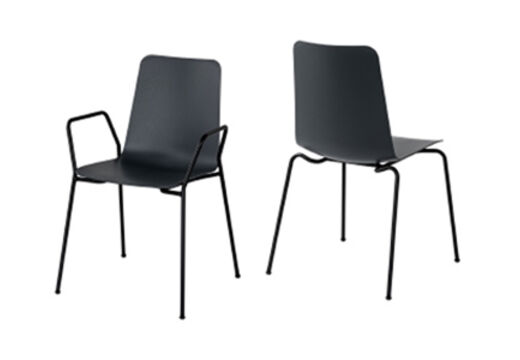
 Seating
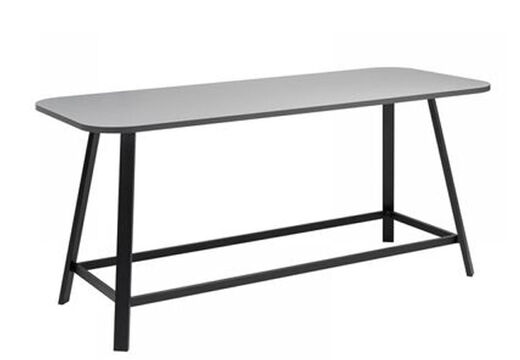 Tables
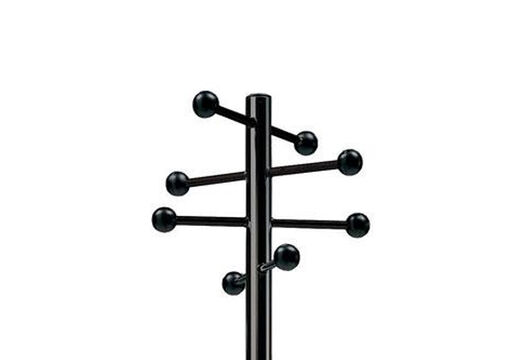 Wardrobes
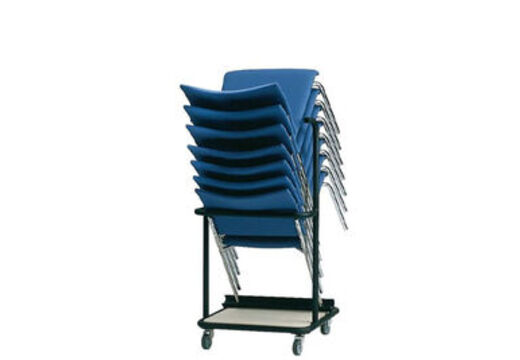 Transportation
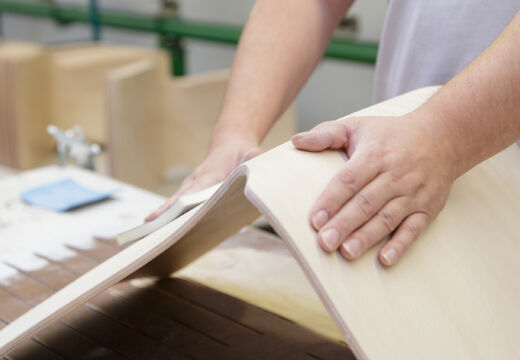 Refurbishment
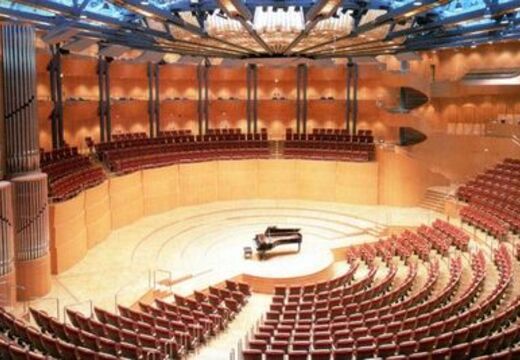 Projects
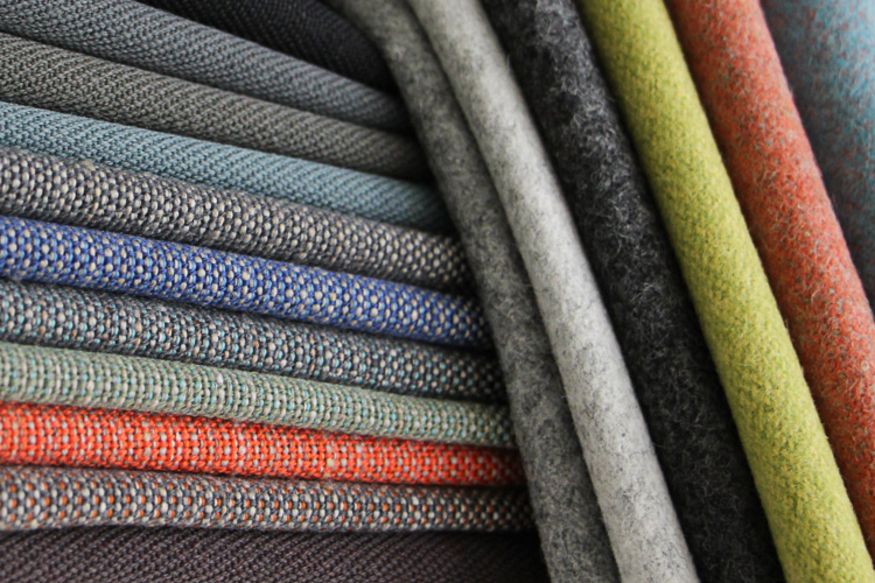 Textile
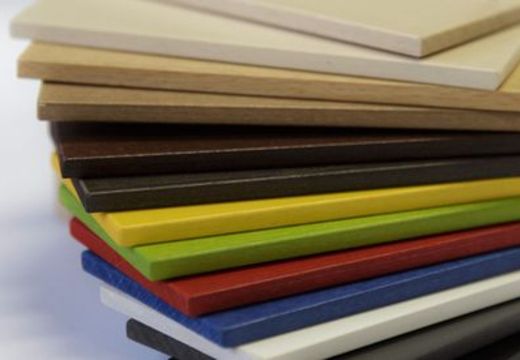 Staining & Lacquer Colours
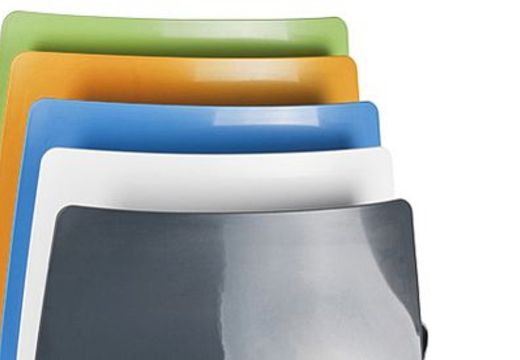 CPL + plastic shell
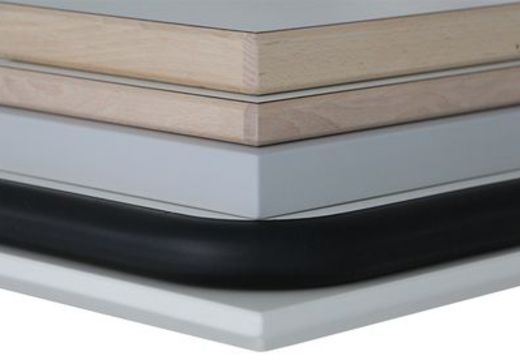 Table top finish
Seating
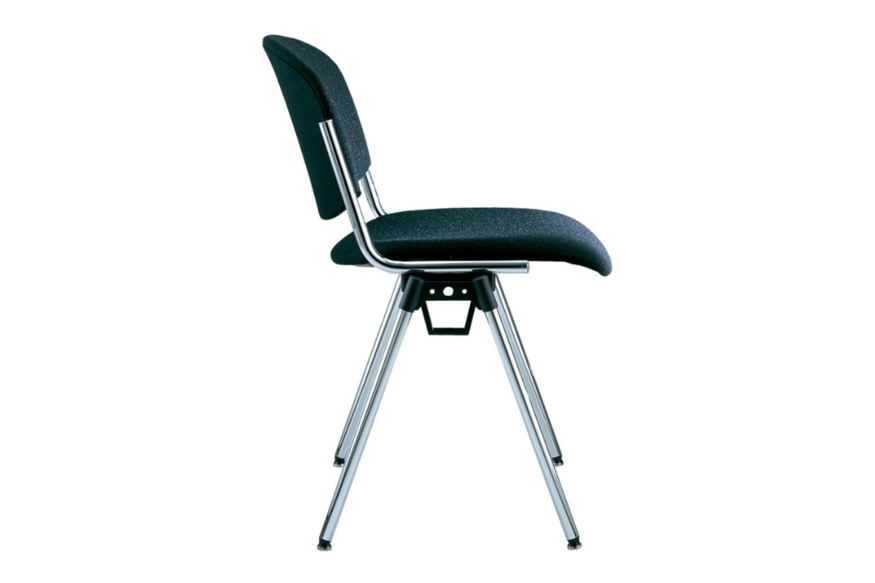
SITDOWN
Vertical stacking, stacking trolleys, different gliders, linking systems, numbering systems for rows and individual seats, upgrade options: the SITDOWN meets all possible challenges with a combination of convenience and style.
Downloads
- SITDOWN Product information
(238 KB) - DWG_1330.dwg
(3 MB) - DWG_1330_Sitz_und_Ruecken_Spiegelpolster.dwg
(4 MB) - DWG_1330_Vollpolster.dwg
(4 MB)



Frame
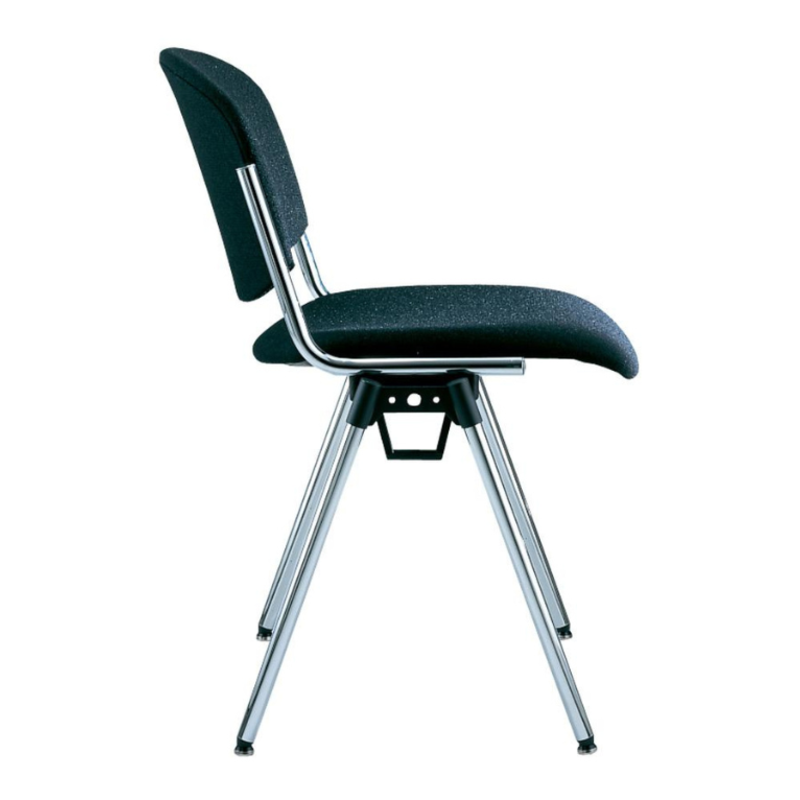
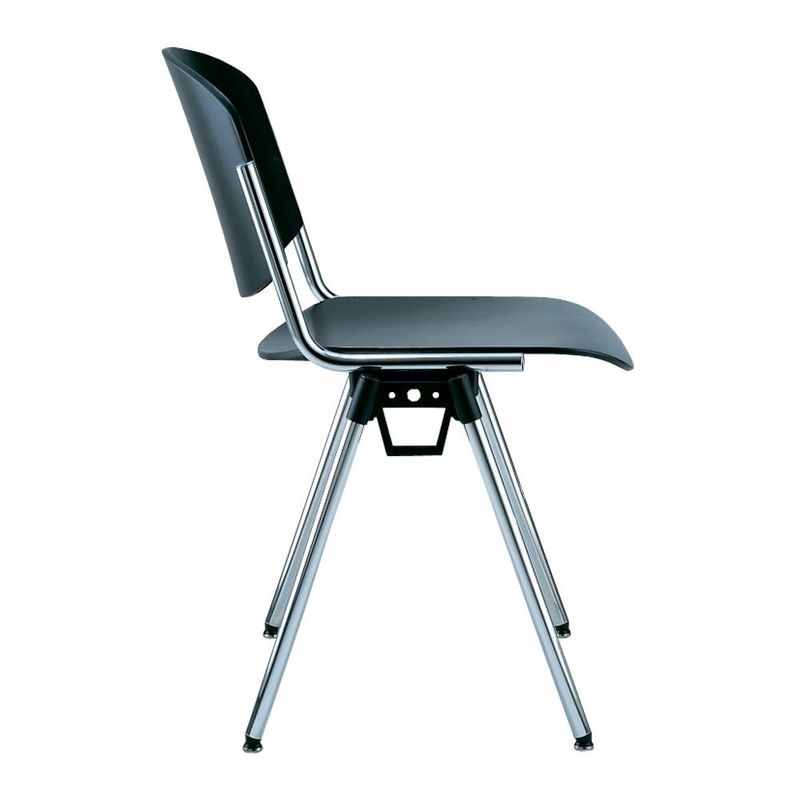
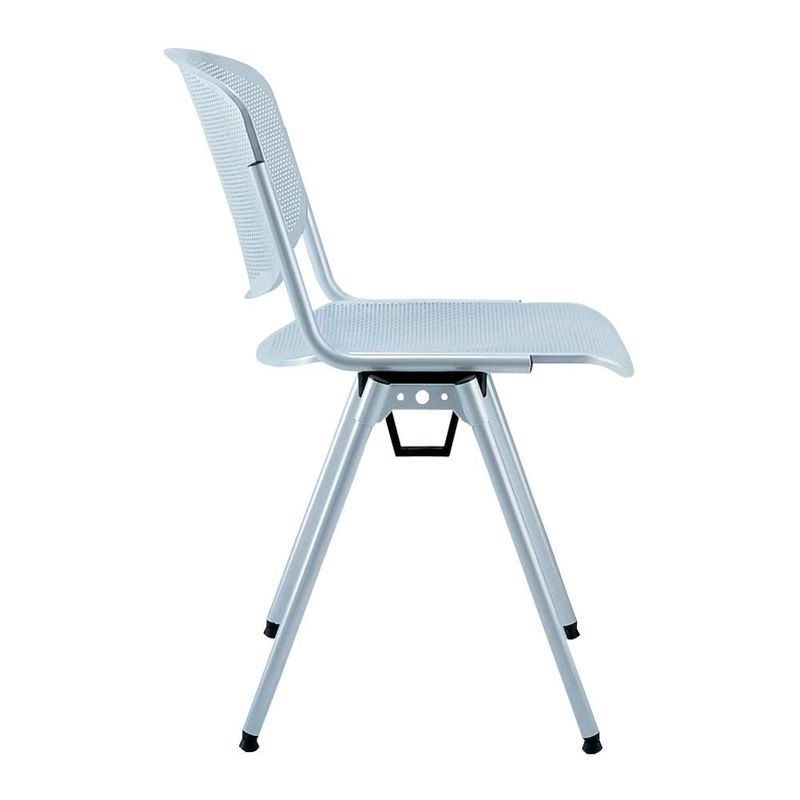
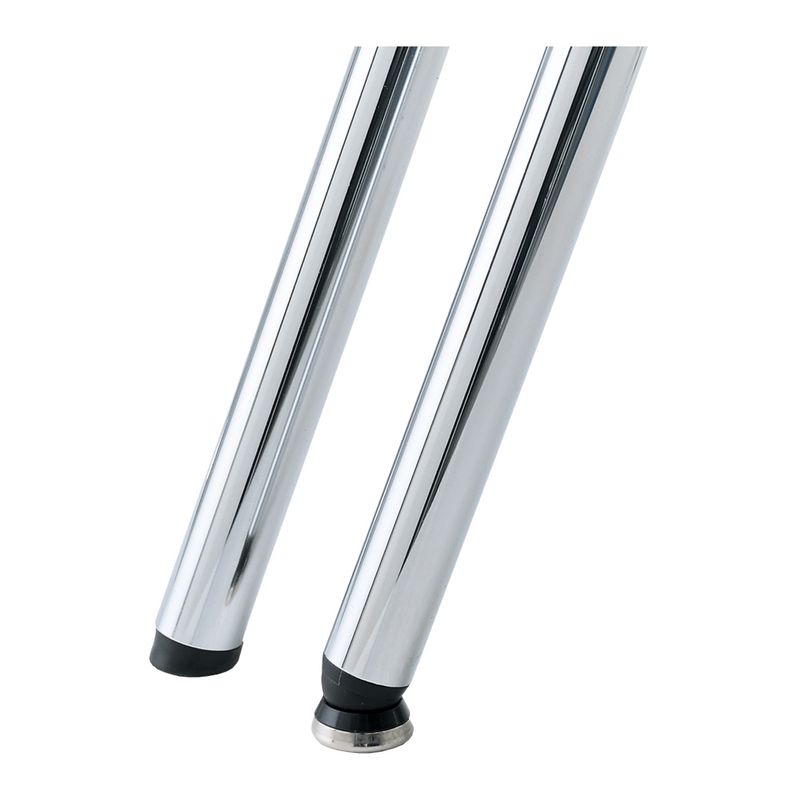
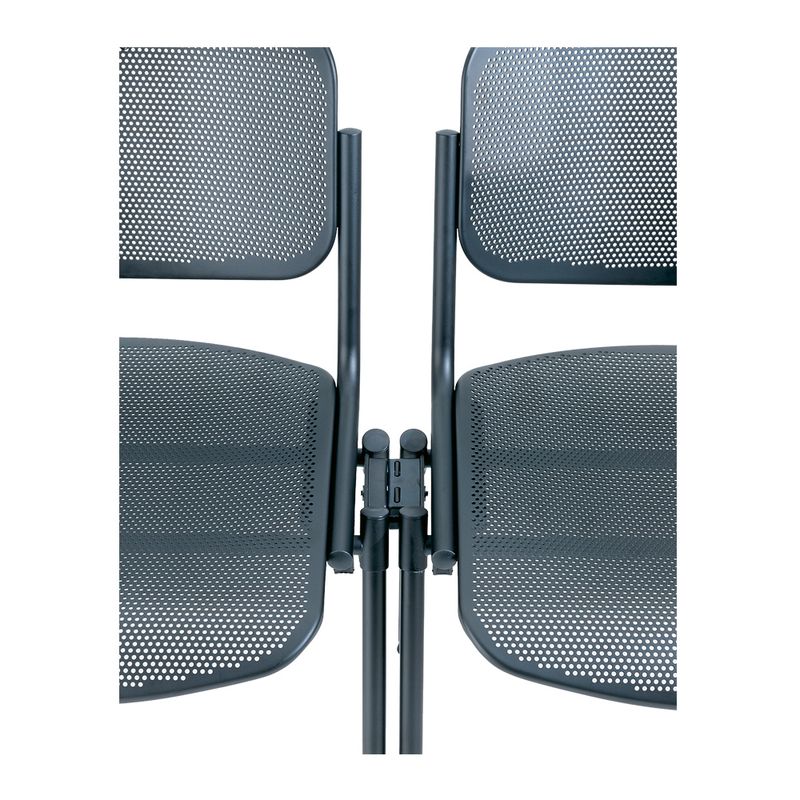
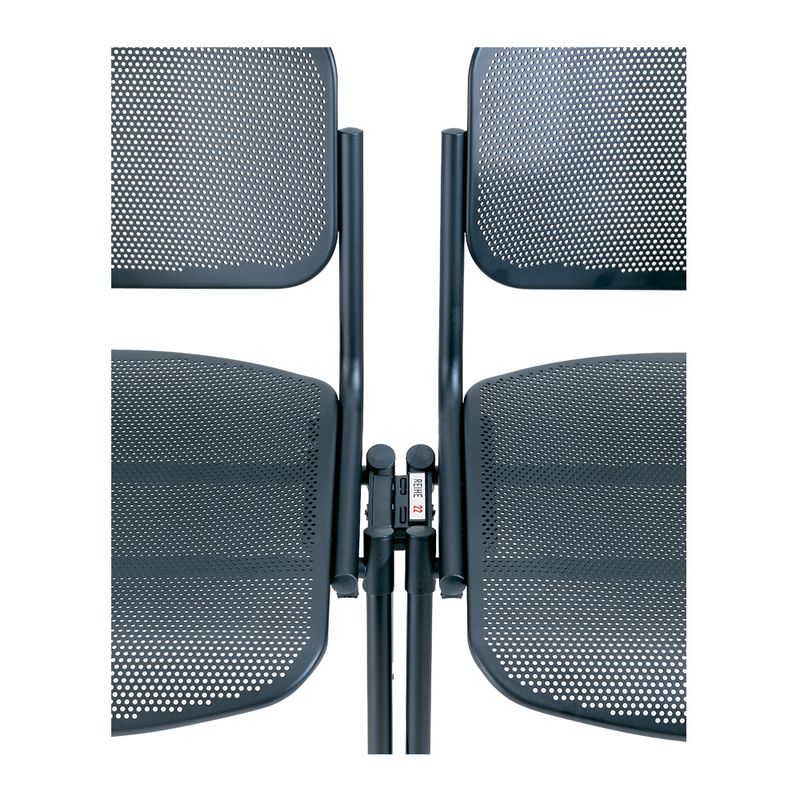
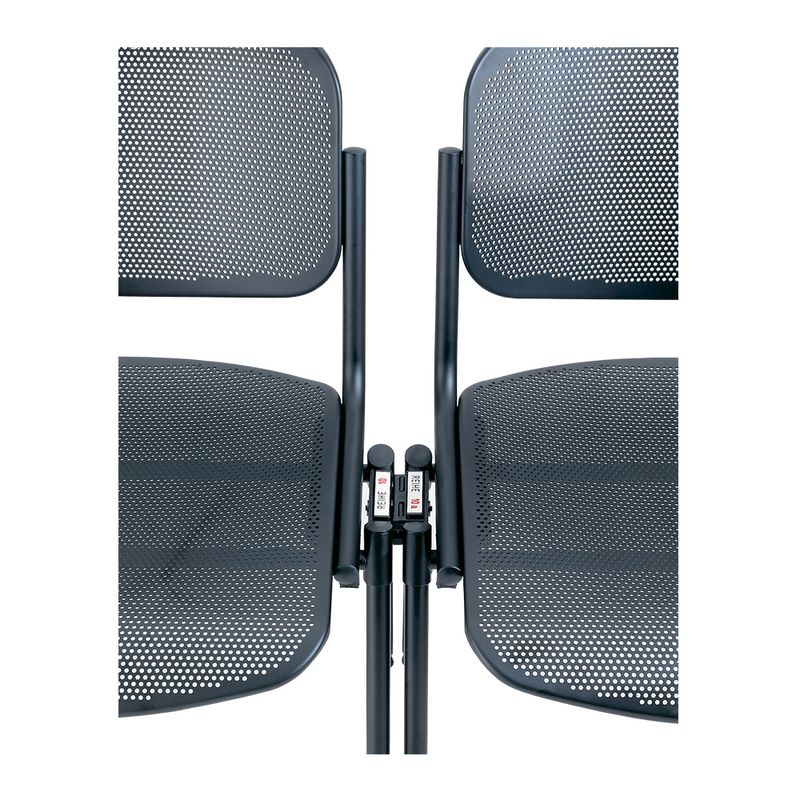
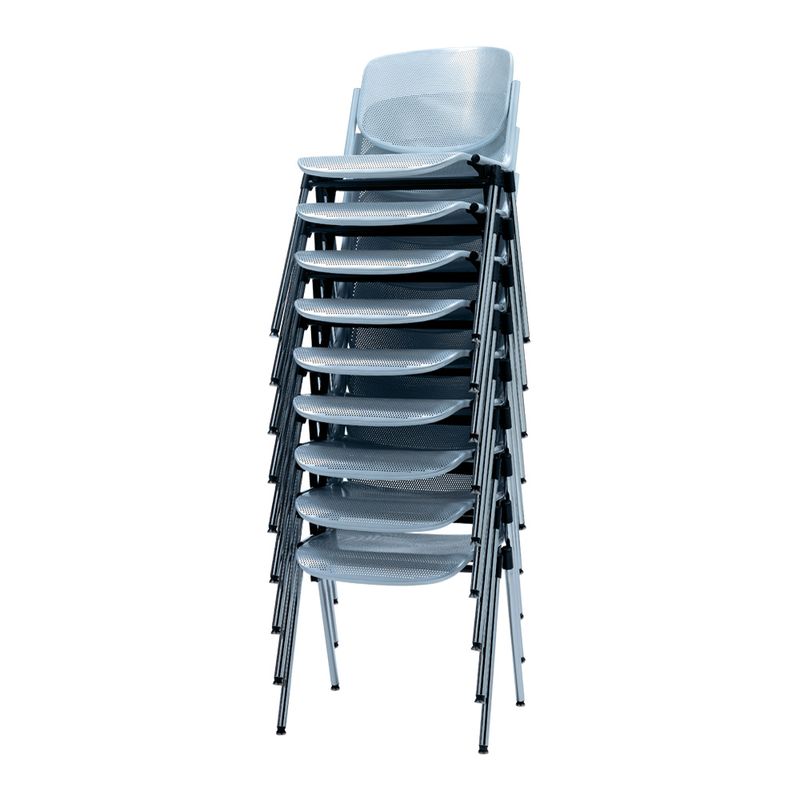
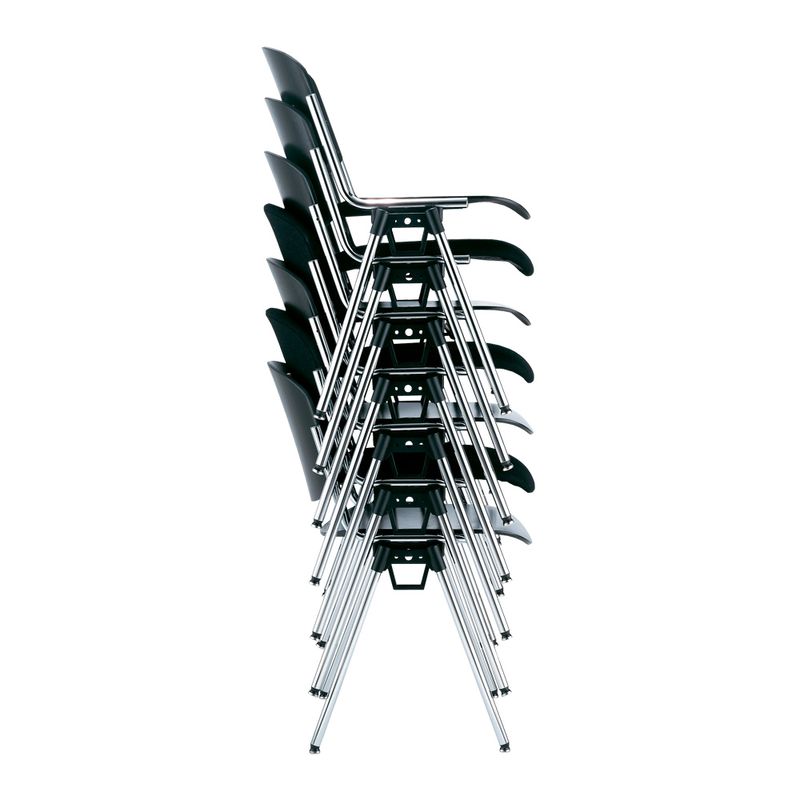
Frame from 22 x 2 mm tubular steel. Frame featuring a transversal beam, a 26 x 2 mm receiver tube and a flat transversal connecting bar (30 x 4 mm), tumbled and embossed, equipped with drill holes to accommodate linking elements. The transversal beam has been welded to the frame. Connecting ribs made from 18 x 1.5 mm tubular steel, soldered to the sides. Legs pressed into the transversal receiver tube. Stacking element made from black glass-fibre-reinforced plastic- polyamide, with soft injection-moulded plastic to protect the chairs when stacked (attached by screws to the lower frame). Pipe ends protected by caps, chrome-plated or black depending on the version. Chairs can be vertically stacked.
Frame surfaces
Standard version of the side sections, side bars and crossbeam: powder-coated in black, optionally powder-coated according to the BRUNE® collection or chrome-plated.
Seat and Back 1330
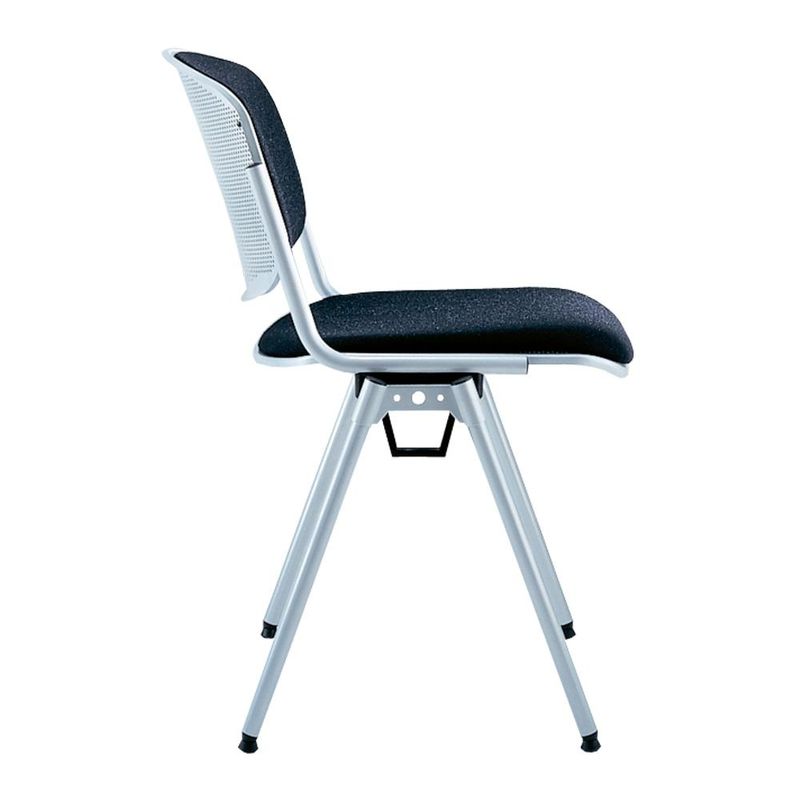
Seat and back support from ergonomically shaped beech plywood, 10 mm thick, attached with multiple layers of glue, edge of the seat turning sharply downward. Seat and back support fastened with flat-head screws and M5 sleeve nuts. Seat and back support optionally available in plywood, seat upholstered or seat and back support upholstered.
Seat and Back 1335
Seat and back support from ergonomically shaped perforated sheet metal, 2.5 mm thick, perforation holes with a diameter of 3 mm, diagonally offset in distances of 6 mm. The front edge of the seat turns sharply downward. The perforated sheet metal seats and back supports are welded to the side brackets (concealed welding joints). Powder-coated in black, optionally powder-coated according to the BRUNE® collection.
Wooden surfaces
Wooden elements made from beech wood, with natural varnish (low-solvent water varnish) in the standard version. Optionally stained according to the BRUNE® collection.
Upholstery Model 1330
Seats or seats and back supports are upholstered, fabric cover according to the BRUNE® collection, fabric categories 3, 4, 6, 7 or 8.
Seat cushion foam: SG/CH 35/50 approx. 25 mm thick
Back cushion foam: SG/CH 35/50 approx. 15 mm thick
SG = specific gravity, weight per m³ | CH = compression hardness
Upholstery Model 1335
Seats or seats and back supports are partially upholstered, fabric cover according to the BRUNE® collection, fabric categories 3, 4, 6, 7 or 8.
Seat cushion foam: SG/CH 35/50 approx. 15 mm thick
Back cushion foam: SG/CH 35/50 approx. 15 mm thick
SG = specific gravity, weight per m³ | CH = compression hardness
Gliders
Standard version: Plastic gliders
Optionally:
Gliders with GPE plastic inserts
Gliders with felt inserts
Gliders with metal caps
Dimensions | 1330 + 1335
Dimensions:
B: 53 cm
T: 58 cm
H: 79 cm
SH: 46 cm
Weights 1330/1335:
7,0/9,0 kg
7,5/9,5 kg (incl. seat cushion)
8,0/10,0 kg (incl. seat and back cushions)
Stackability
Stacking type: vertical stacking, 10 stackable chairs
Required floor space:
Length: 60 cm
Width: 53 cm
Height: 185 cm
Row linking
Plastic double hooks with a magnetic numbering system for individual chairs / individual chairs and rows
Optional: Rotary bar linking system with numbers for pins, hinges and individual chairs
Accesoiries
Chair trolley: Model 1996 for the transport of stacked chairs
Gerd Rausch
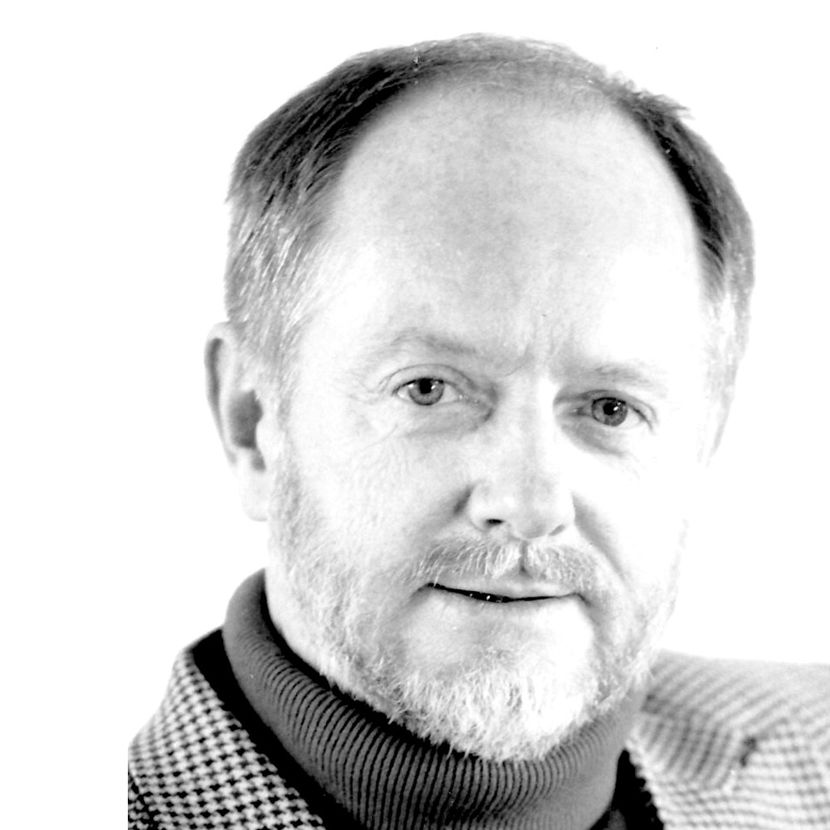
Dipl.-Ing. Gerd Rausch (born 1940 in Köln) is an architect and designer. He studied architecture in Cologne and was subsequently working in the bureau of Prof. Joachim Schürmann for two years. From 1967 to 2005, he was an employed designer at BRUNE and in this period of time he significantly formed the product design of the company with his communication design. Since 2005, he has been dedicated to free painting and special architecture consultation. He is, for example, a founding member of the artist group p e n t i m e n t i.
Gerd Rausch lives and works in Köln.